Reading the fine print, so you do not have to.
Ten plain-language reads on internet pricing in Canada: how the bill is built, why the price climbs after the promo, and how collective switching works.
The $487 problem: why most Canadians overpay for internet and never say a word
The cheaper plan is already running on the same cables. Here is why almost nobody asks for it, and why that is not your fault.


The promo cliff: why your internet bill quietly climbs after 12 to 24 months
The number that won you as a customer was never the number you were going to keep paying.

What if your whole street switched internet at once?
One household has no leverage. A thousand households have an auction.
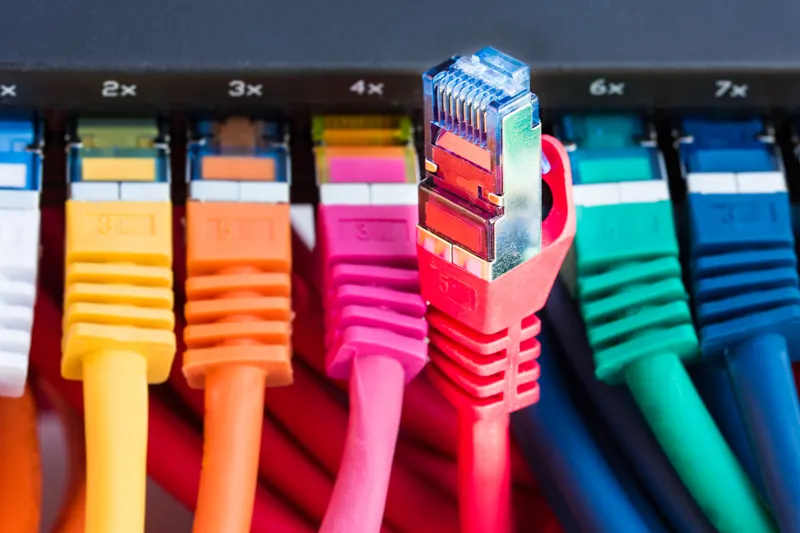
Same cable, half the price: the internet markup hiding in plain sight
A reseller sells you the incumbent's own line for a fraction of the price. Here is the math.

Where your $90 internet bill actually goes
63 cents of every retail dollar never stays with the company you pay.

How to negotiate your internet bill in Canada, and where it quietly fails
The retention script that works, the leverage that matters, and the ceiling nobody mentions.

The win-back offer: what the retention desk is really telling you
The discount only appears when you try to leave. That timing is the whole story.

Independent, incumbent, or flanker: who actually sells you internet in Canada
Half the different-looking brands on the shelf are owned by the companies you are trying to leave.
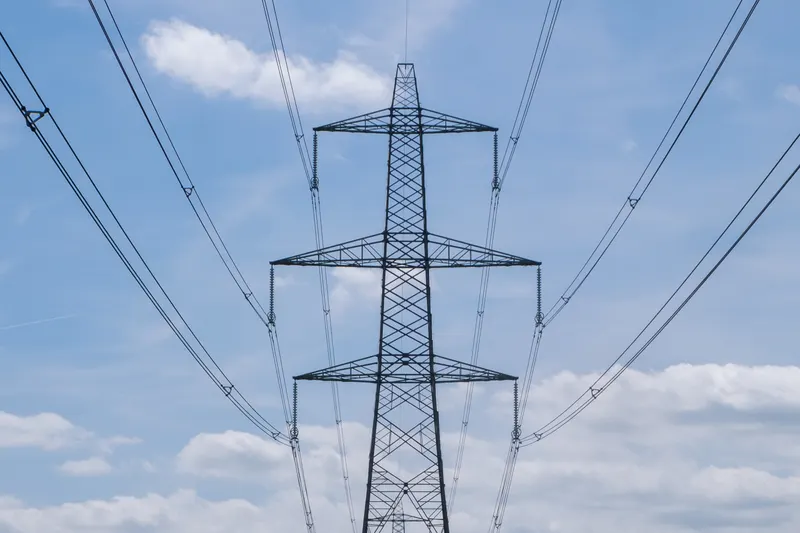
1.5 million households already did this. It just was not for internet.
Collective switching is not a theory. It moved energy markets for years. Now, internet.

How three companies came to own most of Canadian internet
The prices make more sense once you see who owns the pipes.